

Serving temperature is one of the simplest ways to improve a bottle of wine. A red served too warm can feel heavy and dominated by alcohol. A white served ice-cold can lose the aromas and texture that make it interesting.
The familiar rule—white wine cold, red wine at room temperature—is only a starting point. “Room temperature” for wine means something closer to a cool cellar than a warm Taipei dining room. The useful question is not red or white, but how light, full, aromatic or structured the wine is.
Why serving temperature matters even more in Taiwan
In Taiwan's warm climate, a bottle can move beyond its ideal serving range surprisingly quickly—during transport, while waiting on the table or simply between two glasses. Air conditioning may make the room feel comfortable, but that does not mean the wine inside the bottle is at the right temperature.
This is especially important for red wine. The traditional advice to serve it at “room temperature” was shaped by much cooler European rooms and cellars. In Taiwan, it is usually more useful to begin with the red slightly chilled and let it warm gradually in the glass. Keep the bottle away from direct sunlight and, during a long meal, do not hesitate to return it briefly to the refrigerator or to an ice-and-water bucket.
The quick serving guide
| Wine style | Practical starting temperature | What to expect |
|---|---|---|
| Sparkling wine | 6–10°C | Cold enough to feel crisp and preserve the bubbles, but not so cold that all aroma disappears. |
| Light or medium-bodied white and rosé | 7–10°C | Fresh and lively, with enough warmth for fruit and aroma to emerge. |
| Full-bodied white | 10–13°C | Lightly chilled rather than icy, so texture, oak and complexity remain visible. |
| Light-bodied red | 13–15°C | Slightly chilled; fruit stays bright and the wine feels more refreshing. |
| Medium or full-bodied red | 15–18°C | Cool room temperature; structure remains clear without making tannin feel severe. |
| Sweet wine | 6–10°C | Well chilled to keep sweetness balanced by freshness. |
These ranges are practical starting points, not rigid laws. The ideal point depends on the wine, the room, the food and personal preference. It is usually better to start a little cool: wine warms naturally in the glass.

Why temperature changes the taste
Cold reduces the intensity of aromas and makes a wine feel firmer. That can be useful for freshness, sweetness and bubbles, but excessive chilling can hide fruit and texture. WSET notes that temperatures below 6°C can mask flavours in white, rosé and sparkling wines.
Warmth releases more aroma, but it also makes alcohol more noticeable. Above about 18°C, a red wine may lose freshness and feel less clearly defined. Temperature does not change the wine itself; it changes the balance you perceive while drinking it.
Should red wine go in the refrigerator?
Often, yes—for a short time. Light reds such as Pinot Noir and many Gamay-based wines can be particularly enjoyable with a slight chill. WSET gives 13–18°C as the broad ideal range for red wine, with lighter reds at the cooler end and fuller reds at the warmer end.
In a warm room, “serve at room temperature” can therefore be misleading. Put the bottle in the refrigerator briefly, then taste. If the wine seems closed or the tannin feels too firm, leave it in the glass for a few minutes. If the alcohol dominates and the fruit feels soft or blurred, cool the bottle a little more.
Three VAVIN bottles to compare
- Lupé-Cholet Bourgogne Côte d’Or Pinot Noir 2020: try around 13–15°C. In Taiwan, a slight chill helps preserve the fresh red fruit, silky texture and finesse of this Côte d’Or Pinot Noir.
- Yves Cuilleron Saint-Joseph Les Pierres Sèches 2022: try around 15–17°C.
- Château Mont-Redon Châteauneuf-du-Pape 2019: try around 16–18°C.
The point is not to chase a perfect number. Taste the first glass, make a small adjustment and notice how the wine changes.
A simple method at home
If you have a wine thermometer, use it as a guide rather than a verdict. Without one, these habits work well:
- Start red wine slightly cooler than the room.
- Start white, rosé and sparkling wine chilled, but give a more complex bottle time to warm in the glass.
- For faster cooling, use a bucket with both ice and water. Water fills the gaps around the bottle and transfers heat more effectively than ice alone.
- Avoid extreme heat. Do not place a cold bottle beside a radiator or in hot water to warm it quickly.
The refrigerator time will vary with the bottle's starting temperature, the refrigerator and the wine style. Taste is a better final check than a stopwatch.
The right equipment makes temperature easier to control
A wine thermometer and a traditional ice-and-water bucket are already enough for most meals. An insulated bottle sleeve or a modular chiller can then help maintain the temperature without repeatedly returning the bottle to the refrigerator.
For more precise control, Taiwan-based VIVANT develops equipment designed to cool wine and hold it at a selected serving temperature. Its Lyra bottle chiller uses adjustable reusable cooling packs, while electronic systems such as Venus and Titan are designed for active temperature control; Titan combines cooling with decanting. This type of equipment is particularly useful in Taiwan during a long dinner, when a bottle can warm quickly between the first and last glass.
These tools are not essential for enjoying wine, and they do not replace tasting. Their purpose is simply to make the chosen temperature easier to reach and maintain.
Let the food guide the final adjustment
A slight chill can make a light red more comfortable with charcuterie, pizza, mushrooms or grilled tuna. Pinot Noir served cool can work well with duck, salmon and earthy dishes. A structured Syrah is usually better a little warmer with lamb, grilled meat or aged hard cheese.
For whites, colder service suits oysters, salads and crisp seafood dishes, while a fuller Chardonnay can show more texture beside roast chicken, creamy fish or richer sauces when it is allowed to warm slightly.
Storage temperature is not serving temperature
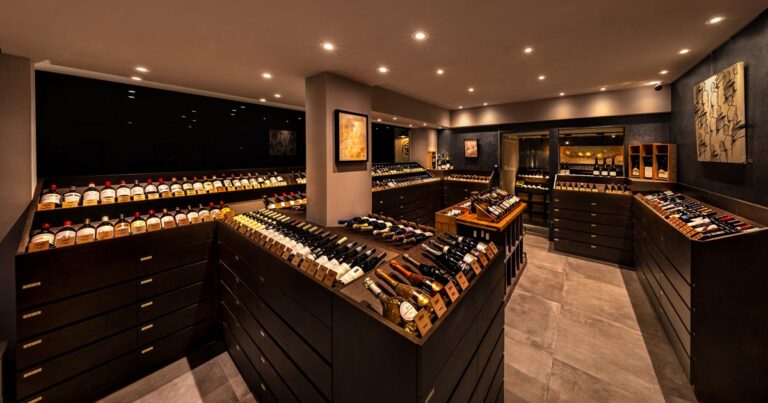
Long-term storage is a different question. WSET recommends a cool, stable environment around 10–15°C, away from bright light and major temperature changes. A domestic refrigerator is useful for chilling before service, but it is not the ideal long-term home for every bottle.
The kitchen is often a poor storage place because temperature changes quickly around ovens, windows and appliances. A cool, dark and stable location matters more than achieving a perfect single number.
The easiest rule to remember
Serve the wine a little cooler than you think, then let the glass do the rest. Light wines generally begin colder; fuller wines begin less cold. If the wine seems muted, wait. If it seems hot, heavy or dominated by alcohol, cool it.
Ask VAVIN for the right bottle—and the right temperature
Tell us what you are serving and when you plan to open the wine. The VAVIN team can suggest a bottle from the current cellar selection and explain how to prepare it before your guests arrive.
Browse the VAVIN cellar · Ask the VAVIN team on LINE
Service temperatures are guidelines rather than absolute rules. Product availability can change. Drink responsibly. Do not drink and drive. Alcohol is not for anyone under 18.
 English
  繁體中文
繁體中文  日本語
日本語  한국어
한국어  Français
  Português
  Español
  Italiano
  ไทย
ไทย  Tiếng Việt