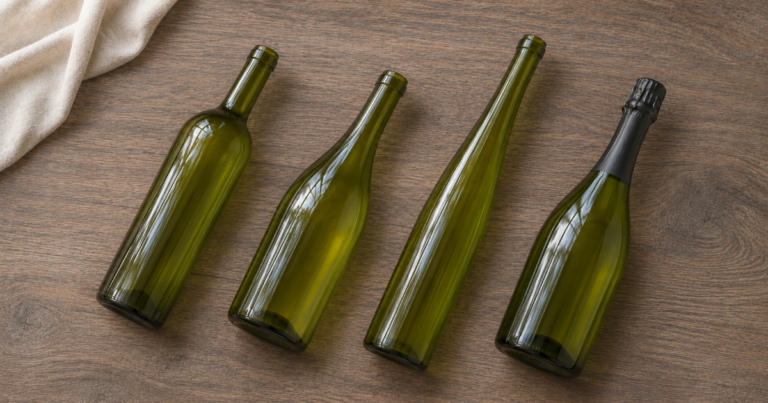
Why don’t all wine bottles have the same shape?
Regional traditions, appellation rules or pressure: discover why wine bottles come in different shapes.

Regional traditions, appellation rules or pressure: discover why wine bottles come in different shapes.
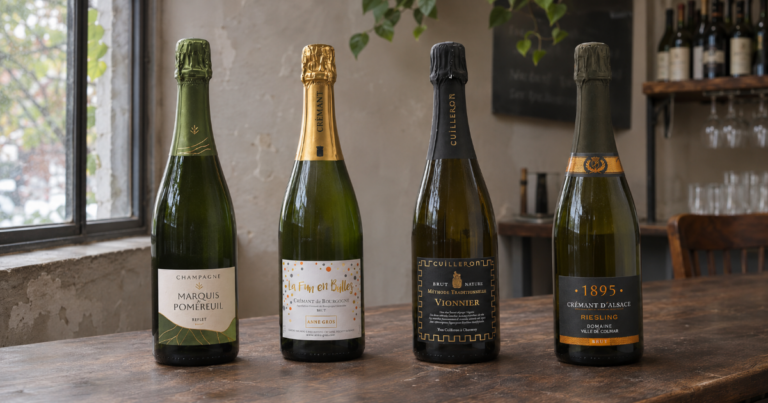
Discover the differences between Champagne, Crémant and sparkling wine, and three ways to make bubbles, through four selected wines.

A chalkboard outside a bistro, friends meeting after work, a bottle awaited for a whole year. In November, Beaujolais nouveau brings something a little different: choosing a wine becomes a reason to get together.
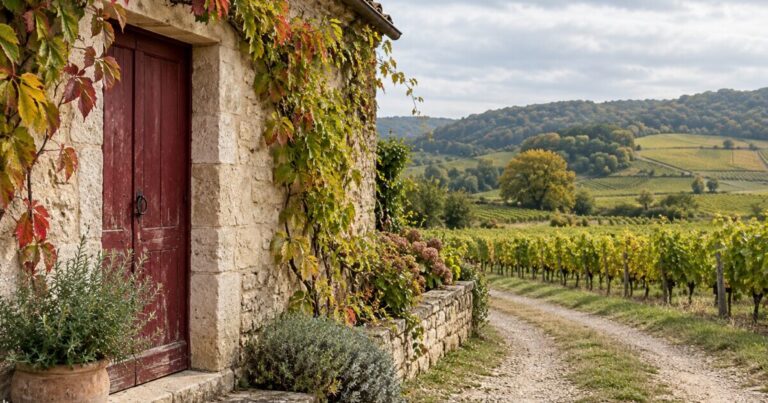
Why these differences? Climate, soils and grape varieties all play a part, as do winemakers’ choices and local traditions. Understanding them does not require memorising a map of appellations. Instead, let’s discover five regions.
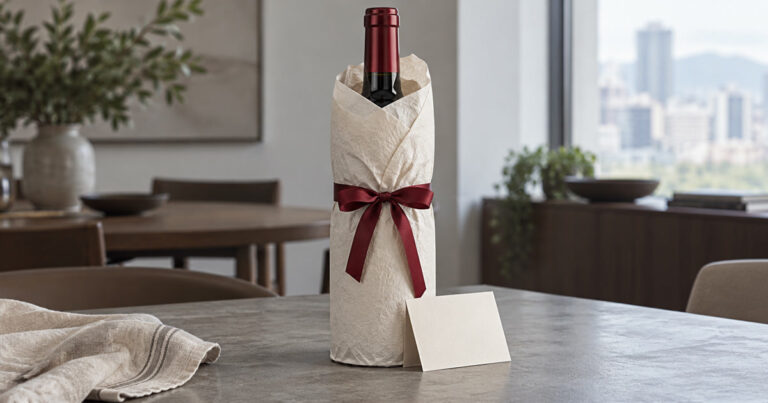
Before choosing, one question makes things easier: will the bottle be opened tonight, or given as a gift for later?
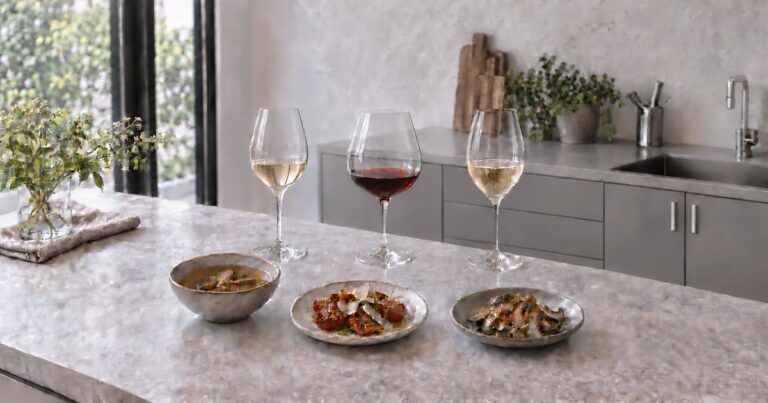
Umami can make wine seem drier, more bitter or less fruity. Learn how salt, freshness, fruit and moderate tannins restore balance.
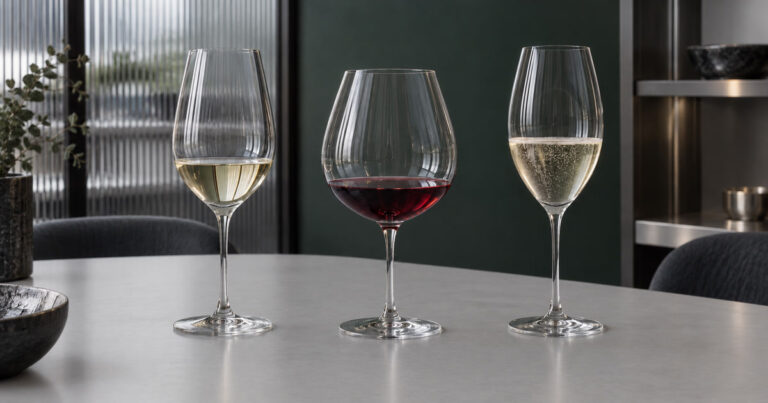
You do not need a cupboard full of specialised glasses. A good universal shape, a sensible pour and one sparkling-wine tulip will cover most occasions.
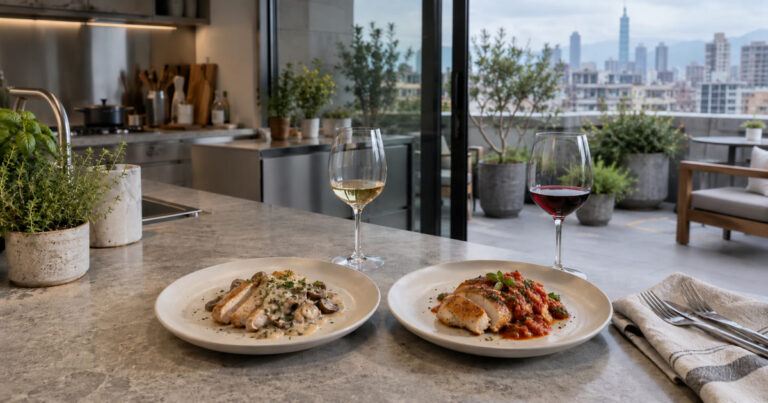
The same chicken can call for a completely different wine when the sauce changes. Start with the flavour that truly dominates the plate.
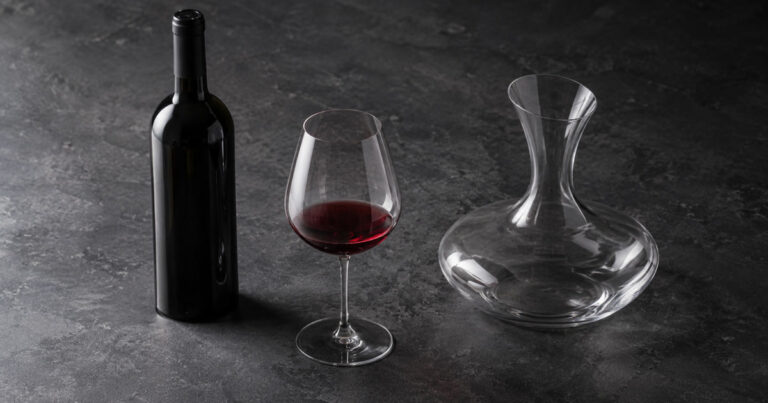
Not every wine needs a decanter. The useful question is whether the bottle needs air, sediment removal, or simply a larger glass.

A rainy day changes the mood, but Taiwan can remain warm and humid. Here are five wines that bring comfort without sacrificing freshness.
 English English
 繁體中文
 日本語
 한국어
 Français
 Português
 Español
 Italiano
 ไทย
 Tiếng Việt
