
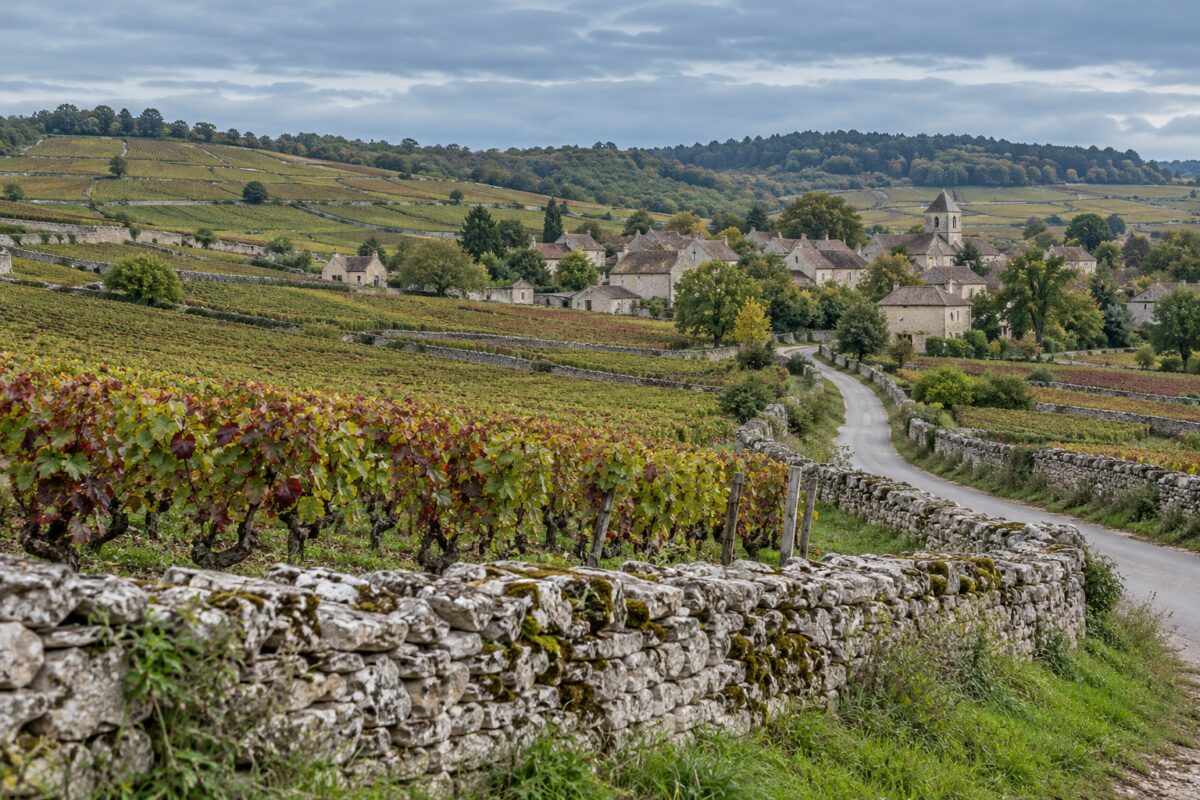
In France, a few hours on the road can be enough to change the landscape, the food… and the wine. The vineyards of Bordeaux tell a different story from the slopes of Alsace or the terraces of the Rhône Valley.
Why these differences? Climate, soils and grape varieties all play a part, as do winemakers’ choices and local traditions. Understanding them does not require memorising a map of appellations. Instead, let’s discover five regions.
Bordeaux: the art of bringing differences together
In Bordeaux, blending is one of the keys to understanding wine: several grape varieties can complement one another in a single bottle. For reds, Merlot, Cabernet Sauvignon and Cabernet Franc are among the main players. Their proportions vary with the location and the estate’s choices.
It is a little like a recipe: the ingredients matter, but so does their balance.
At the table, imagine roast meat or sautéed mushrooms with a red whose structure matches the intensity of the dish. And let’s not limit Bordeaux to its reds: its whites are worth discovering too.
Burgundy: looking more closely at the landscape
In Burgundy, the scale changes. Pinot Noir and Chardonnay are the two main starting points, but knowing the grape variety is not enough to predict the wine.
A plot, a slope, an exposure: these details matter greatly here. Burgundy’s famous Climats are precisely defined vineyard sites, shaped by their environment and a long history of human work. The word does not simply mean weather.
To explore this diversity at the table, poultry with mushrooms is a good starting point: a white with body or a delicate red can offer two very different interpretations of the same dish.
Alsace: grape varieties that offer clues
With its villages and vineyard slopes at the foot of the Vosges, Alsace has an instantly recognisable identity. In the glass, Riesling, Gewurztraminer and Pinot Gris offer distinctly different profiles.
A Riesling may appeal through freshness and aromatic finesse; a Gewurztraminer through a more expressive, spicy character. But remember: a highly fragrant wine is not necessarily sweet. Look at the bottle’s style, not just the grape variety’s name.
This diversity creates an interesting connection with Taiwanese cooking. Steamed fish and spicy chicken do not call for the same pairing: for the first, look for freshness; for the second, an aromatic white with a little sweetness can be an option.
The Loire: several journeys along one river
The Loire cannot be reduced to a single style. Around Nantes, Melon de Bourgogne is the grape behind Muscadet. Further along, Chenin has an important place in Anjou and Touraine, while Sauvignon Blanc notably shapes Centre-Loire. Among reds, Cabernet Franc is a reference in Chinon, Bourgueil and Saumur-Champigny.
It is a region to explore according to your mood: a lively white with seafood, a fruity red with charcuterie, or sparkling wine to begin a meal.
The most interesting approach is not to look for one ‘taste of the Loire’, but to discover everything that changes along the river.
The Rhône Valley: two faces of one region
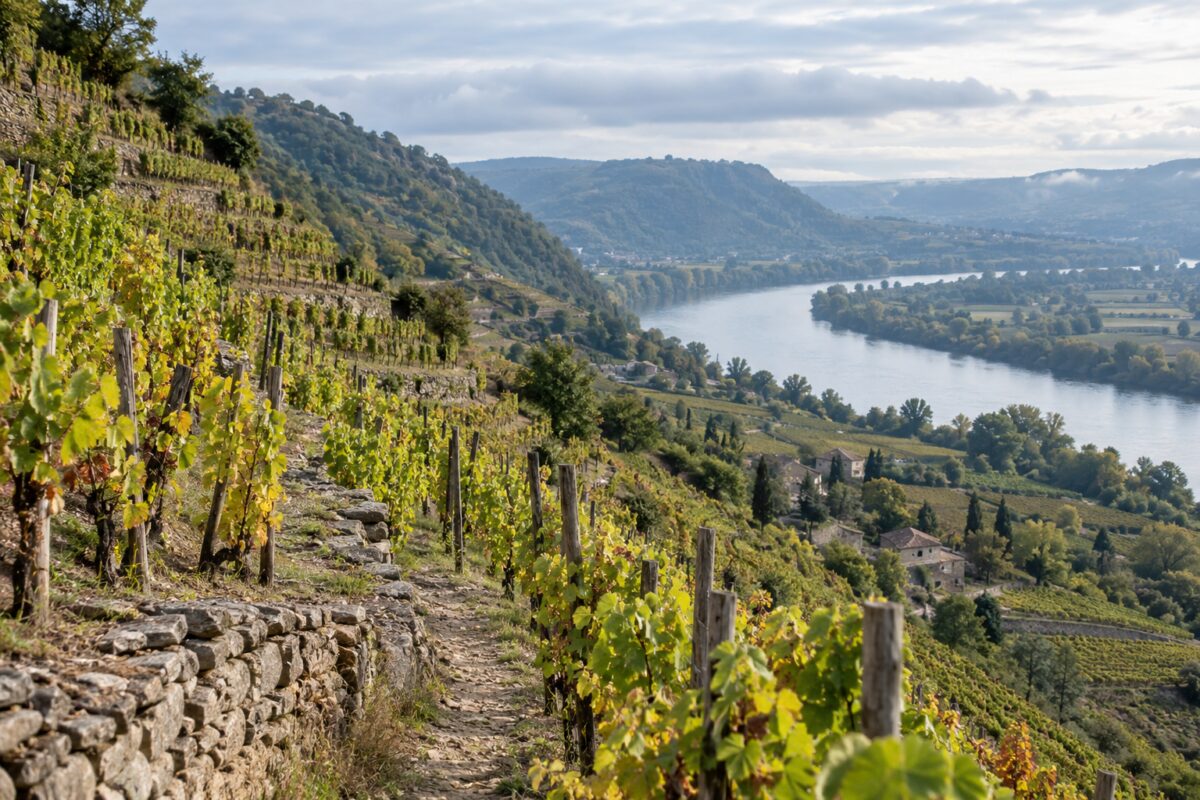
In the northern Rhône, vineyard slopes can be steep and Syrah takes the leading role among red grape varieties. Further south, Grenache plays a major part in blends with, notably, Syrah and Mourvèdre. Whites are part of the journey too, with Viognier, Marsanne and Roussanne.
At the table, explore the reds with grilled or slow-cooked dishes, matching the wine’s intensity to the recipe. Whites open other possibilities, with roast fish or poultry.
The lesson? Even within one region, a few dozen kilometres can reveal a different world.
A region is a starting point, not a fixed label
Not every Bordeaux is powerful, not every Burgundy is light, and not every Alsace wine is sweet.
The region offers useful pointers. The grape variety, vintage and winemaker’s work then fill in the picture.
To begin this journey, one question is enough: are you in the mood for freshness, roundness, delicacy or a more structured wine? The answer is often more useful than searching for the ‘best’ region.
 English
 繁體中文
 日本語
 한국어
 Français
 Português
 Español
 Italiano
 ไทย
 Tiếng Việt
