Masterclass - A Journey to the Heart of Burgundy

Masterclass - A Journey to the Heart of Burgundy

Locating Burgundy

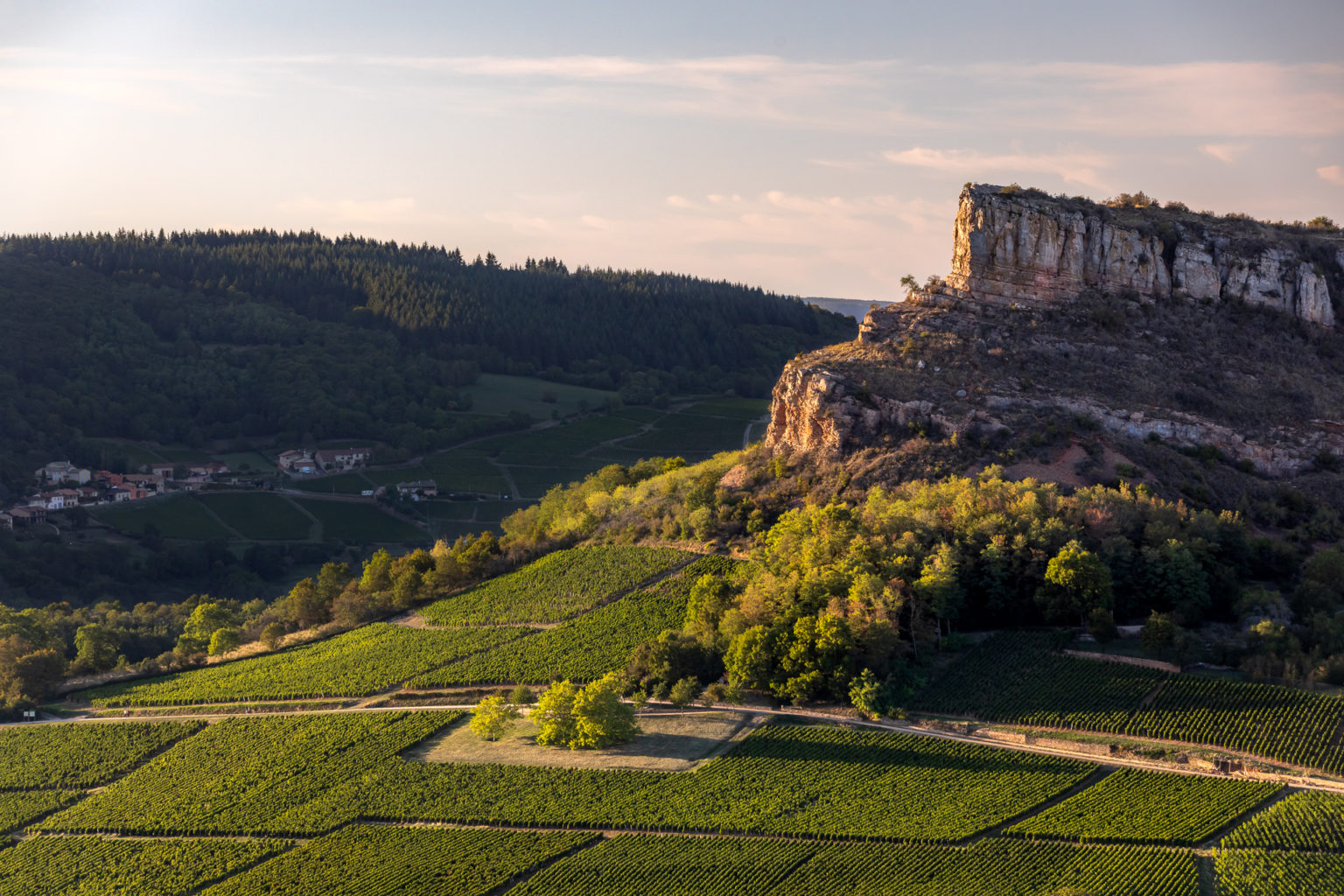
To begin our journey, let’s first locate Burgundy — or Bourgogne in French — on the map of France. Situated in the east-central part of the country, Burgundy stretches from the northern tip of Chablis down to the southern reaches of the Mâconnais. This region has been at the heart of French wine heritage for centuries, celebrated for its unique terroirs and the deep connection between land, grape, and people. It is divided into several key subregions, each with a distinct personality and style of wine.

Grape Varieties

Before understanding the richness of Burgundy, we must begin with its core: the grape varieties. Burgundy is home to four key grapes — two white and two red — each a unique interpreter of the land. Their character, structure, and nuance form the foundation of every wine you’ll taste.

WHITE GRAPE

Chardonnay

  • Native to Burgundy, Chardonnay is the only white grape variety allowed in most appellations.

  • It produces a wide range of styles depending on the terroir: mineral and taut in Chablis, round and buttery in the Côte de Beaune.

  • Typical notes: citrus, green apple, white flowers, hazelnut, butter, honey.

  • Excellent aging potential, especially in prestigious appellations (Meursault, Puligny-Montrachet).

Aligoté

  • Burgundy’s other white grape, Aligoté produces lively, high-acid wines often enjoyed young.

  • Historically overshadowed by Chardonnay, it has regained popularity through quality-focused producers.

  • Typical notes: lemon, green apple, white flowers, sometimes a touch of salinity.

  • Key appellation: Bourgogne Aligoté.

RED GRAPE

Pinot Noir

  • The iconic red grape of Burgundy, highly sensitive to climate and soil.

  • Produces refined wines: light in color, silky texture, noticeable acidity, fine tannins.

  • Aromas: cherry, strawberry, raspberry, violet, forest floor, leather with age.

  • Reaches full expression in cool climates with meticulous viticulture.


Gamay

  • Though more associated with Beaujolais, Gamay is still cultivated in parts of southern Burgundy, especially in the Mâconnais.

  • Lighter-bodied than Pinot Noir, with fresh red fruit and floral notes.

  • Usually vinified for easy-drinking styles, sometimes blended in Bourgogne Passe-Tout-Grains.

“In Burgundy, a grape variety is a voice. The terroir is the language it speaks.”

Appellations & Climats

Beyond the grape lies the landscape — a mosaic of vineyards, villages, and named plots. The Burgundian system of appellations and climats is not just a classification; it is a deep cultural heritage that defines the soul of each bottle. Let’s explore how geography and tradition shape identity.

The 4 levels of appellations:

  • Regional Appellations: “Bourgogne” (red or white), sometimes followed by a geographic designation (e.g., Bourgogne Hautes-Côtes de Nuits). Simple and accessible wines.

  • Village Appellations: wines from a specific commune (e.g., Rully, Savigny-lès-Beaune), showing more character and typicity.

  • Premier Cru: designated plots within a village known for higher quality. The label includes the name of the specific climat.

  • Grand Cru: the elite vineyards of Burgundy, like Corton or Montrachet. Exceptional terroirs with great aging potential.

CLIMATS:

  • In Burgundy, a Climat has nothing to do with weather. It refers to a precisely defined vineyard plot — named, delimited, and cultivated individually for centuries. Each climat is shaped by its own microclimate, soil composition, slope, and exposure.

  • These vineyard plots have been mapped and named since the Middle Ages, initially by monks who observed and documented differences in quality and style. In 2015, the Climats of the Côte d’Or were inscribed as a UNESCO World Heritage Site.

  • Climats are the cornerstone of Burgundy’s appellation system. Some are classified as Premier Cru or Grand Cru, based on their long-standing reputation for quality.

  • Wine labels often mention the village and the climat, for example: Meursault “Les Charmes” or Gevrey-Chambertin “Les Cazetiers” Premier Cru.

  • Over 1,500 climats are officially recognized in Burgundy.

KEY REGIONS:

  • Chablis: very mineral Chardonnay grown on limestone-rich soils.
  • Côte de Nuits: famous for prestigious reds (e.g., Gevrey-Chambertin, Vosne-Romanée).
  • Côte de Beaune: renowned for white wines (e.g., Meursault, Puligny) and notable reds (e.g., Pommard).

  • Côte Chalonnaise: often overlooked, this area produces excellent value wines, especially in appellations like Rully, Mercurey, and Givry — both red and white.

  • Mâconnais: sunnier wines, often 100% Chardonnay.

Serving Temperatures

Serving Burgundy wines at the proper temperature is essential to fully appreciate their elegance, aromas, and balance. 

Here are some general guidelines:

White Burgundy (Chardonnay, Aligoté)

  • Ideal Temperature: 10–12 °C
  • Why? This range preserves freshness, highlights acidity and minerality, and allows subtle aromas to emerge without being muted by excessive chill.

Red Burgundy (Pinot Noir, Gamay)

  • Ideal Temperature: 14–16 °C
  • Why? Serving red Burgundy slightly below room temperature keeps the wine lively, brings out floral and red fruit notes, and softens the perception of alcohol and tannins.

Tip: If your bottle is at room temperature (20–22 °C), place it in the fridge for 15–20 minutes before serving. For whites, take them out 10 minutes before pouring to let the aromas open gently.

Tasting & Focus

Whether you’re a beginner or enthusiast, tasting is the moment when Burgundy reveals its soul. Here’s how to make the most of your experience:

LOOK
SMELL
TASTE

LOOK 

  • Hold the glass by the stem and tilt it slightly.

  • Observe the color, clarity, and intensity: is it pale straw or deep ruby?

SMELL 

  • Gently swirl the wine to release aromas.

  • Take a deep inhale and try to identify:

    • Primary aromas: fruit, floral (e.g., cherry, lemon, white flowers)

    • Secondary aromas: fermentation (e.g., butter, brioche)

    • Tertiary aromas: aging (e.g., leather, mushroom, dried fruit)

TASTE 

  • Take a small sip and let it coat your palate.

  • Assess the balance, acidity, tannins (for reds), texture, and finish.

  • Is it fresh and light, or deep and structured? Does the taste linger?

REFLECT:

  • Don’t search for the “right” answer — describe what you experience.

  • Think of textures, emotions, or even memories the wine evokes.

  • Be curious and open — every glass is a chance to discover something new.

Each wine tells a story — let’s listen and discover what makes Burgundy so unforgettable.

Wines to Taste

Theory becomes experience when the wine reaches the glass. Tasting is the culmination of what we’ve learned — the moment when grape, terroir, and technique express themselves on the palate. Let us now discover the wines selected for this journey, and taste Burgundy in all its depth.

Each wine in this masterclass has been chosen to illustrate a different aspect of Burgundy — from grape variety and terroir to style and typicity.

DEUX ROCHES

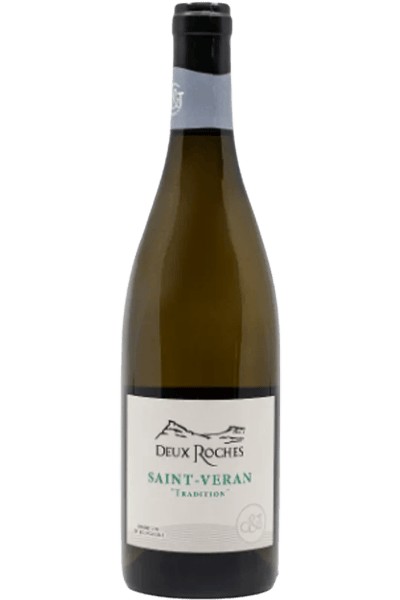
Founded in 1986 in Davayé, lies between the iconic rocks of Solutré and Vergisson in the Mâconnais. The estate cultivates mostly Chardonnay across 63 hectares in appellations like Saint-Véran, Pouilly-Fuissé, Mâcon-Villages, and Viré-Clessé. The wines are known for their freshness, minerality, and elegance. Two ranges are produced: “Timeless” for immediate pleasure and “Parcellaires” for terroir expression. The domaine is committed to sustainable viticulture and is transitioning to organic farming.

Catégories , Étiquettes ,

The Chardonnay grapes for the ‘Tradition’ cuvée are grown on clay-limestone soils at the base of the famous Roche de Solutré and Roche de Vergisson. This exceptional terroir naturally provides the wine with essential freshness and minerality, enhancing the finesse and aromatic expression of the Chardonnay.

The wine displays a pale yellow color with golden highlights. The nose is elegant and expressive, revealing notes of white flowers, citrus zest, and ripe orchard fruits. On the palate, it is fresh and well-balanced, featuring a smooth texture, vibrant acidity, and a clean, mineral-driven finish. This is a refined and harmonious Saint-Véran that perfectly showcases the purity and Burgundian finesse of the Mâconnais.

Grape variety: 100% Chardonnay
Appellation: Saint-Véran AOC, Mâconnais – Burgundy
Vintage: 2022
Style: Dry white wine – fresh, mineral, and precise

Sommelier Tasting Notes

Appearance: Pale gold with green highlights, bright and crystal-clear, reflecting both youth and purity.

Nose: Clean and vibrant, with notes of white flowers (hawthorn, acacia), crisp green apple, and lemon zest. With aeration, subtle hints of chalk, almond, and white peach emerge, evoking the limestone-rich soils of Davayé.

Palate: The attack is lively and direct, with a precise acid line. The wine is slender, energetic, and mineral, showing excellent tension. A fine balance between citrus fruit, salinity, and a chalky texture. The finish is long and mouthwatering, with lingering notes of wet stone and lemon peel.

Food pairing: Ideal with oysters, grilled seabass, sea bream sashimi, or a goat cheese tart. Pairs well with delicate dishes highlighting freshness and texture.

Serving temperature: 10–12°C
Ageing potential: 3 to 5 years

DOUHAIRET PORCHERET

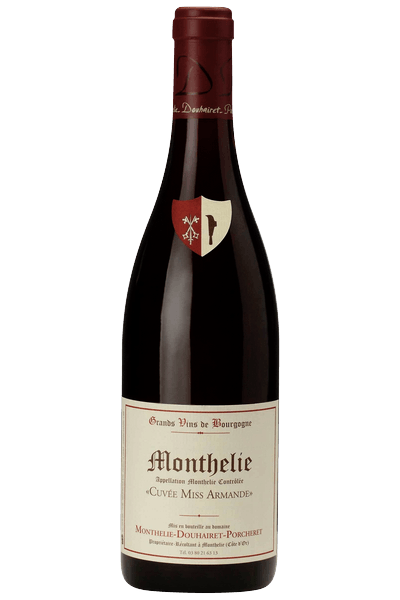
Located in Monthélie, Burgundy, with over 300 years of winemaking heritage. Now run by Cataldina and Vincent, the domaine covers around 7 hectares across Monthélie, Volnay, Pommard, and Meursault. They practice sustainable viticulture (HVE3) with manual harvests and low-intervention vinification. Their wines are elegant, pure, and terroir-driven, combining finesse and tradition. A true expression of artisanal Burgundy with a warm, welcoming spirit.

Catégories , Étiquettes ,

The Douhairet Porcheret Monthélie “Cuvée Miss Armande” 2021 is a refined and expressive 100% Pinot Noir crafted from old vines over 70 years old, rooted in the clay-limestone slopes of Monthélie, between Meursault and Volnay. The old vines yield small quantities of concentrated grapes, translating into a wine of remarkable elegance and complexity. Brilliant ruby red with garnet highlights, it opens with delicate aromas of red cherry, raspberry, rose petals, and subtle spice. The palate is silky and vibrant, framed by fine tannins, lively acidity, and a long, graceful finish.

Aged for 18 months in French oak with minimal intervention, this wine perfectly captures the finesse and mineral purity of Monthélie. It pairs beautifully with roast poultry, duck breast, veal, mushroom risotto, or soft cheeses like Brie and Camembert.

Grape variety: 100% Pinot Noir
Appellation: Monthélie AOC, Côte de Beaune – Burgundy
Vintage: 2021
Style: Dry red wine – delicate and expressive

Sommelier Tasting Notes

Appearance: Bright ruby with light garnet reflections, medium intensity, showing clarity and youth.

Nose: Elegant and fragrant, with aromas of wild strawberry, red cherry, rose petals, and a hint of underbrush. With air, subtle notes of clove, sandalwood, and crushed rock add complexity.

Palate: Silky and fine-boned, with a supple attack and a juicy core of red berries. The tannins are soft and well-integrated, lending structure without weight. A refined minerality stretches into a persistent, floral finish with notes of violet and spice.

Food pairing: A natural partner for roasted poultry, duck breast, mushroom risotto, or a simple charcuterie board. Also delightful with soft cheeses like Brie or Reblochon.

Serving temperature: 14–16°C
Ageing potential: 5 to 8 years

LUPE-CHOLET

Lupé-Cholet is a historic Burgundy estate founded in 1903 in Nuits-Saint-Georges. The domaine crafts wines from prestigious appellations across Burgundy, including Chablis, Côte de Beaune, and Côte de Nuits. Their style focuses on elegance, balance, and expressing the unique character of each terroir. With both reds (mainly Pinot Noir) and whites (primarily Chardonnay), they offer a wide range from regional wines to Premier Crus. Known for consistent quality and great value, Lupé-Cholet remains a respected name in classic Burgundian winemaking.

Catégories , Étiquettes ,

Elegant Savigny-lès-Beaune 1er Cru from Lupé Cholet, 100% Pinot Noir. Bright red fruits, floral notes, and silky texture with a long, fresh finish

Grape variety: 100% Pinot Noir
Appellation: Savigny-lès-Beaune 1er Cru “Les Peuillets”, Côte de Beaune – Burgundy
Vintage: 2018
Style: Dry red wine – structured and elegant

Sommelier Tasting Notes

Appearance: Deep ruby with garnet reflections, dense and limpid, showing concentration and evolution.

Nose: Complex and refined, with notes of ripe black cherry, redcurrant, and raspberry, intertwined with forest floor, black tea, and a hint of cedar. Subtle touches of spice and earth reflect the maturity of the vintage.

Palate: Broad and harmonious on the attack, with ripe tannins and well-integrated oak. The wine shows depth and finesse, offering layers of red and black fruit, fine minerality, and a touch of savory spice. The finish is long, slightly smoky, and silky, with great ageing potential.

Food pairing: Excellent with duck confit, roasted quail, mushroom-based dishes, or matured cheeses like Comté or Saint-Nectaire.

Serving temperature: 16–17°C
Ageing potential: 8 to 12 years