
Wine 101 for Beginners: What Do All Those Terms Mean?
W i n e 1 0 1 f o r B e g i n n e r s : W h a t D o A l l T h o s e T e r m s M e a n ?

Ever found yourself frozen in front of the wine aisle at the supermarket, overwhelmed by rows of bottles and unfamiliar labels? Terms like New World, Old World, Bordeaux, and Cabernet Sauvignon can feel like a locked door—mysterious and intimidating—long before you even get to take your first sip.
But don’t worry! After reading this beginner’s guide, you’ll feel more confident stepping into the world of wine that once felt so distant.
What is wine, anyway?

Wine is the result of a series of chemical reactions between grape juice and yeast. In simple terms:
Sugar + Yeast → Carbon dioxide + Alcohol
The sugar comes naturally from ripe wine grapes, and the yeast is often wild yeast found on the grape skins. When the two react, alcohol and CO₂ are formed—this is how wine begins its life.
Fun Fact: Wine grapes are not table grapes!
The grapes used for winemaking are smaller, have thicker skins, and are much sweeter than the ones you snack on, like Kyoho or seedless varieties. They’re grown specifically for fermentation.
Red, White, or Bubbly—What’s the Difference?
Different grape varieties and production methods result in wines with distinct characteristics. Broadly, wine can be categorized into two main styles: still wines and sparkling wines.
● Still Wines
This includes red, white, rosé, and the increasingly popular orange wine. These are made using different types of grapes and fermentation techniques depending on the wine’s intended color and profile:
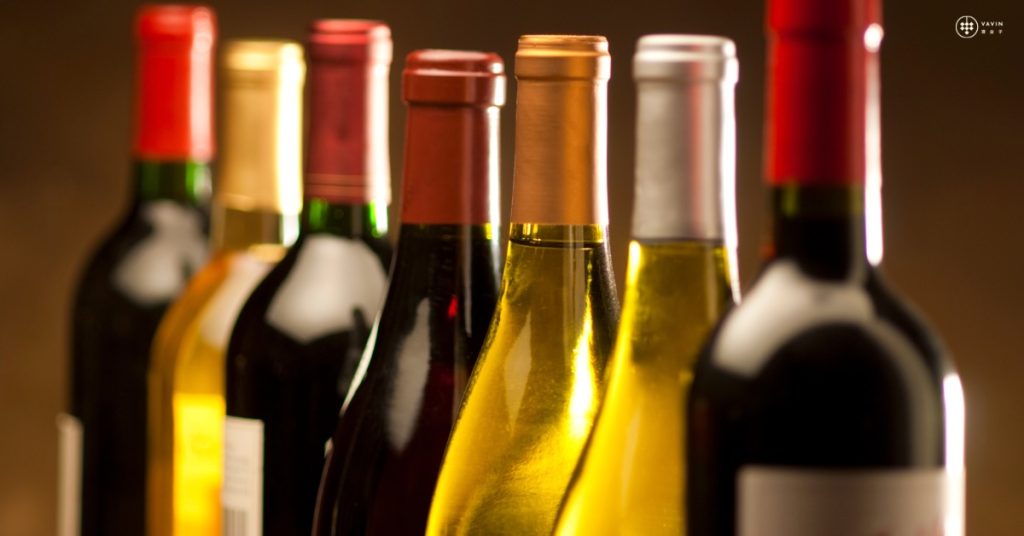
- Red wine: Made from black grapes, fermented with skins and seeds. Deep color, rich tannins, bold flavors.
- White wine: Made from white grapes, fermented as juice only. Clear in color, higher acidity, light and crisp.
- Rosé: Made from black grapes with minimal skin contact. Pale pink hue, refreshing, somewhere between red and white in taste.
- Orange wine: Made from white grapes fermented with skins and seeds. Orange in color, more tannic and complex, often with oxidative notes.
Fun Fact: What’s a “tannin”?
Tannins are natural compounds found in grape skins, seeds, and even oak barrels. They’re responsible for that dry, puckering sensation in your mouth when drinking red wine.
● Sparkling Wines
During fermentation, along with alcohol, CO₂ is also produced. If that gas is preserved in the wine, voilà—you’ve got bubbles! Depending on how it’s made and where it comes from, sparkling wine takes many forms. Among them, Champagne from France is perhaps the most iconic.
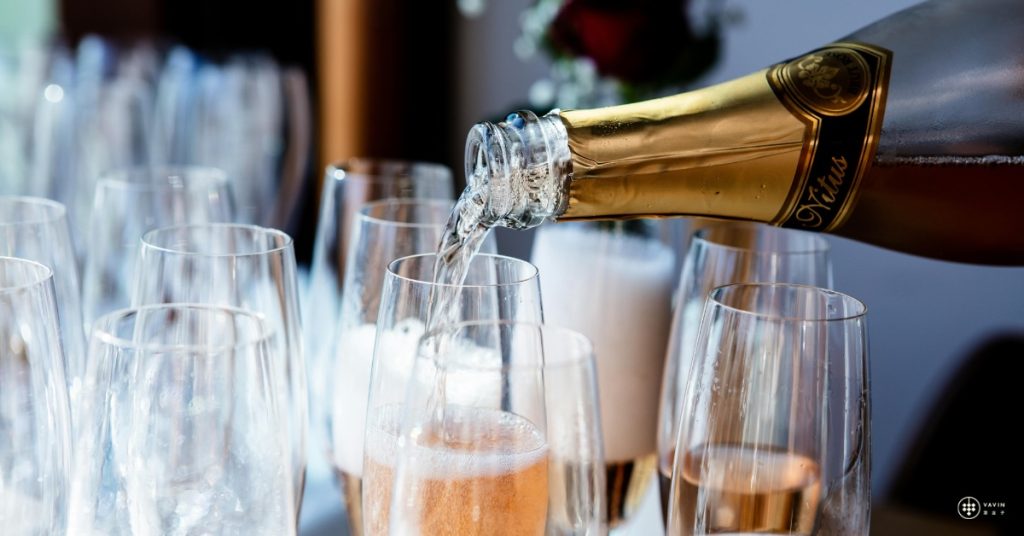
Champagne is made using the Traditional Method, where base wine is first fermented, then bottled with added sugar and yeast for a second fermentation. This happens inside the bottle, creating fine, persistent bubbles. The wine is then aged further to develop complexity and depth. The process is labor-intensive and time-consuming, which is why Champagne commands both admiration and higher prices.
Note: “Traditional Method” (Méthode Traditionnelle) is also used for quality sparkling wines outside of Champagne, though only wines from that specific region can legally be called Champagne.
● The Hidden Boss Battle: Fortified Wines
And then there’s a hidden boss in the wine world—fortified wines. You might’ve heard of Sherry or Port—yep, those belong here. These wines have grape spirits (usually brandy) added during fermentation, which stops the process and boosts the alcohol level.
Fortified wines come in a range of styles from sweet to dry, and include classics like Madeira as well.

● Wrapping Up: You’ve Just Stretched — Now Let’s Start the Workout
So far, we’ve just scratched the surface—a warm-up before diving deep into the vast world of wine. Now that you know the basics, the next step is to get familiar with grape varieties that sound like people’s names: Chardonnay, Pinot Noir, and more.
Stick around for our next article, where we’ll unravel the stories behind those famous grapes and help you spot them on any label with ease.
 English
  繁體中文
繁體中文  日本語
日本語  한국어
한국어  Français
  Português
  Español
  Italiano
  ไทย
ไทย  Tiếng Việt