
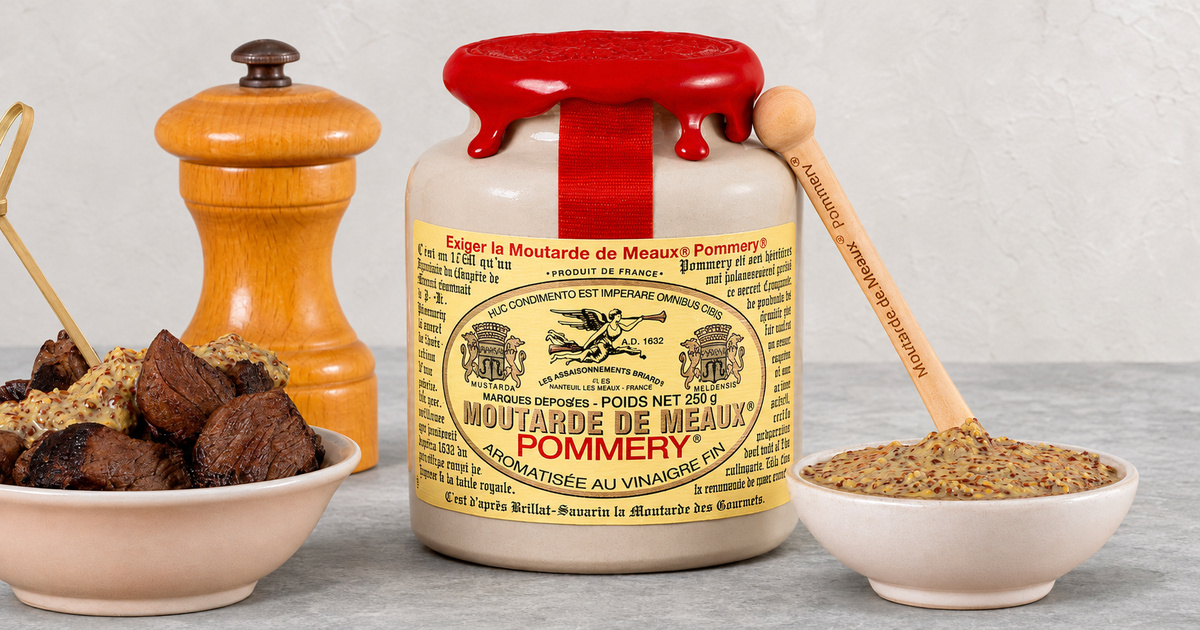
A salad, some poultry, a few potatoes: sometimes a spoonful of mustard is all it takes to give a meal another dimension. At VAVIN 酒盒子, we love these small touches that make everyday cooking more delicious.
Mustard: a history much older than the jar

Mustard has accompanied cooking since antiquity. The Romans already used its crushed seeds as a condiment. In the Middle Ages, it found a place in dishes and sauces; trades associated with its preparation developed in France, particularly in Paris and Dijon.
From Meaux Cathedral to the house of Pommery
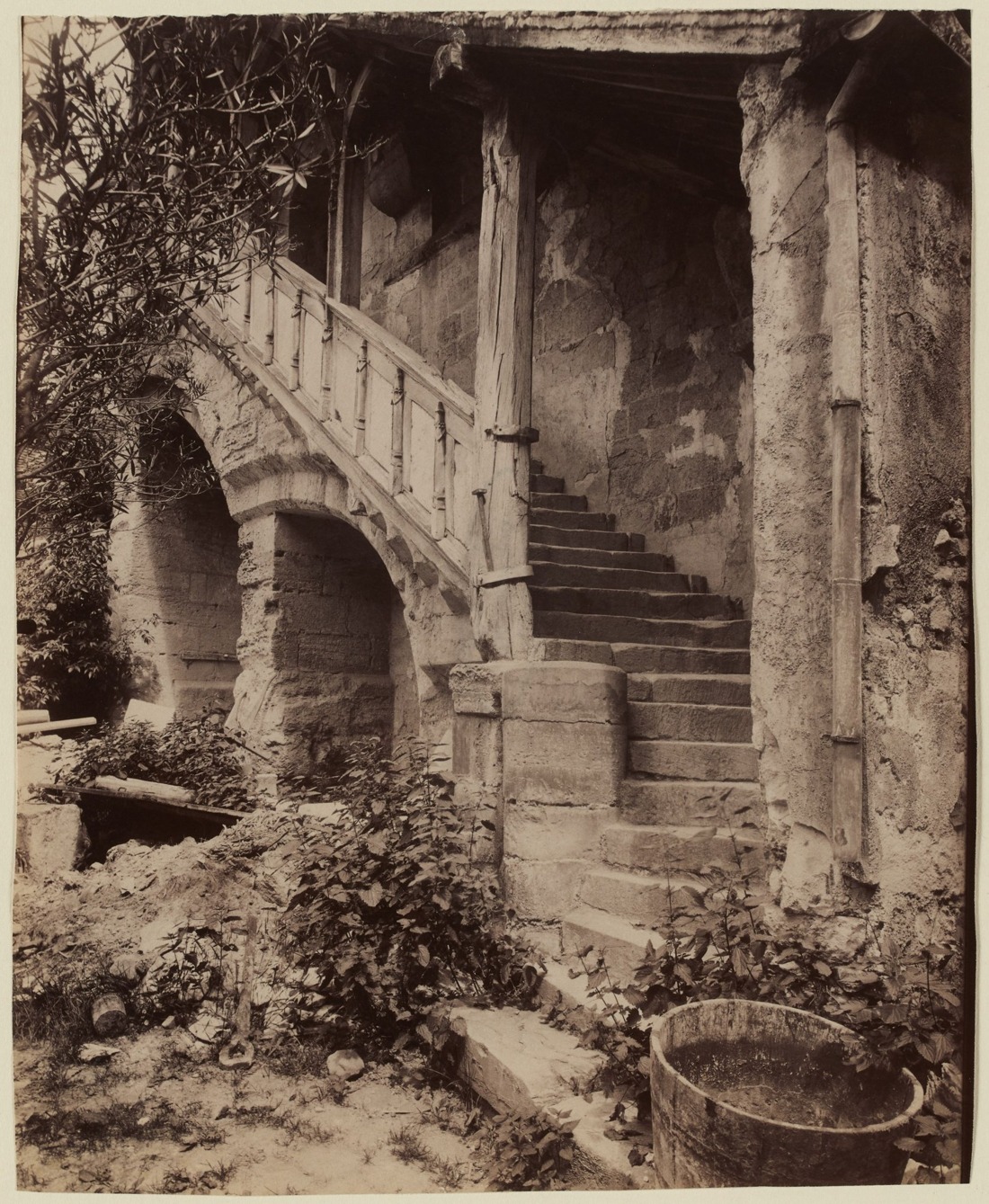
In Meaux, in Seine-et-Marne, the mustard-making tradition is linked to the cathedral’s canons. The account presented by the town dates the passing of their manufacturing secret to J.-B. Pommery to 1760. The house of Pommery then mentions mustard makers active in Meaux as early as 1771.
In 1925, production passed out of the Pommery family. Les Assaisonnements Briards, a company founded in 1949 and based in Nanteuil-lès-Meaux, continues to make it today. The stoneware jar and its red wax seal therefore carry a local heritage as well as making the product recognisable.
A jar you recognise at a glance
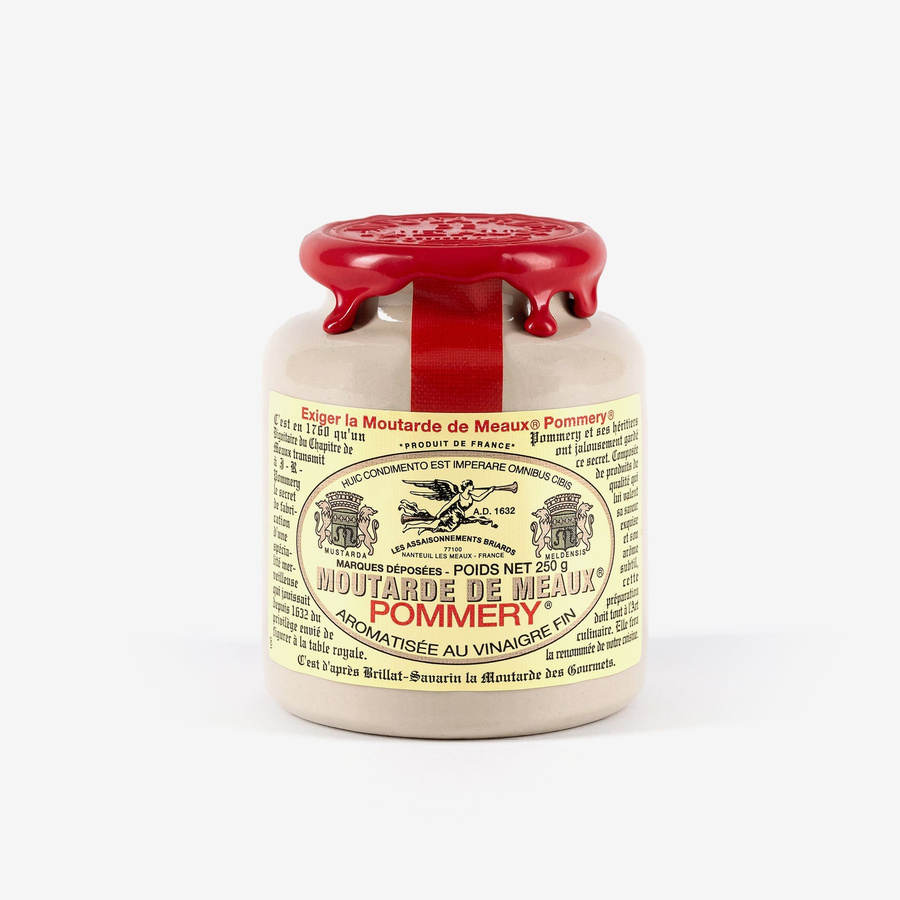
With its stoneware jar and red wax seal, Moutarde de Meaux® Pommery® is easy to spot. Made near Meaux, this wholegrain mustard keeps its seeds visible. It brings texture as well as seasoning.
In a vinaigrette
For a salad for two, start with one teaspoon of mustard, one tablespoon of vinegar and three tablespoons of oil. Mix the mustard with the vinegar, then whisk in the oil. Taste before adding salt.
The seeds add interest to green salad or cooked potatoes, sliced while still warm. Adjust the vinegar to your taste: the dressing should complement the ingredients without masking them.
In a creamy sauce
To serve over already cooked poultry or vegetables, gently heat 10 cl of cream for two people. Remove from the heat and stir in one to two teaspoons of mustard, then taste. If needed, warm over a very low heat without boiling.
Start with a little mustard: it is easier to add more than to soften an overly punchy sauce.
Simply alongside the food
With ham, cold meat or roast poultry, serve a small amount on the side. Everyone can adjust each bite. Not every dish needs a new recipe: sometimes the condiment is enough.
Which wine with these mustard dishes?
For a salad with a vinegar dressing, a dry white with lively freshness is a good starting point: its acidity helps it hold its own alongside the vinaigrette. With a creamy sauce, look instead for a white combining freshness with a little body to accompany its smooth texture.
Keep the whole dish in mind: mustard does not choose the wine on its own.
 English
 繁體中文
 日本語
 한국어
 Français
 Português
 Español
 Italiano
 ไทย
 Tiếng Việt
