
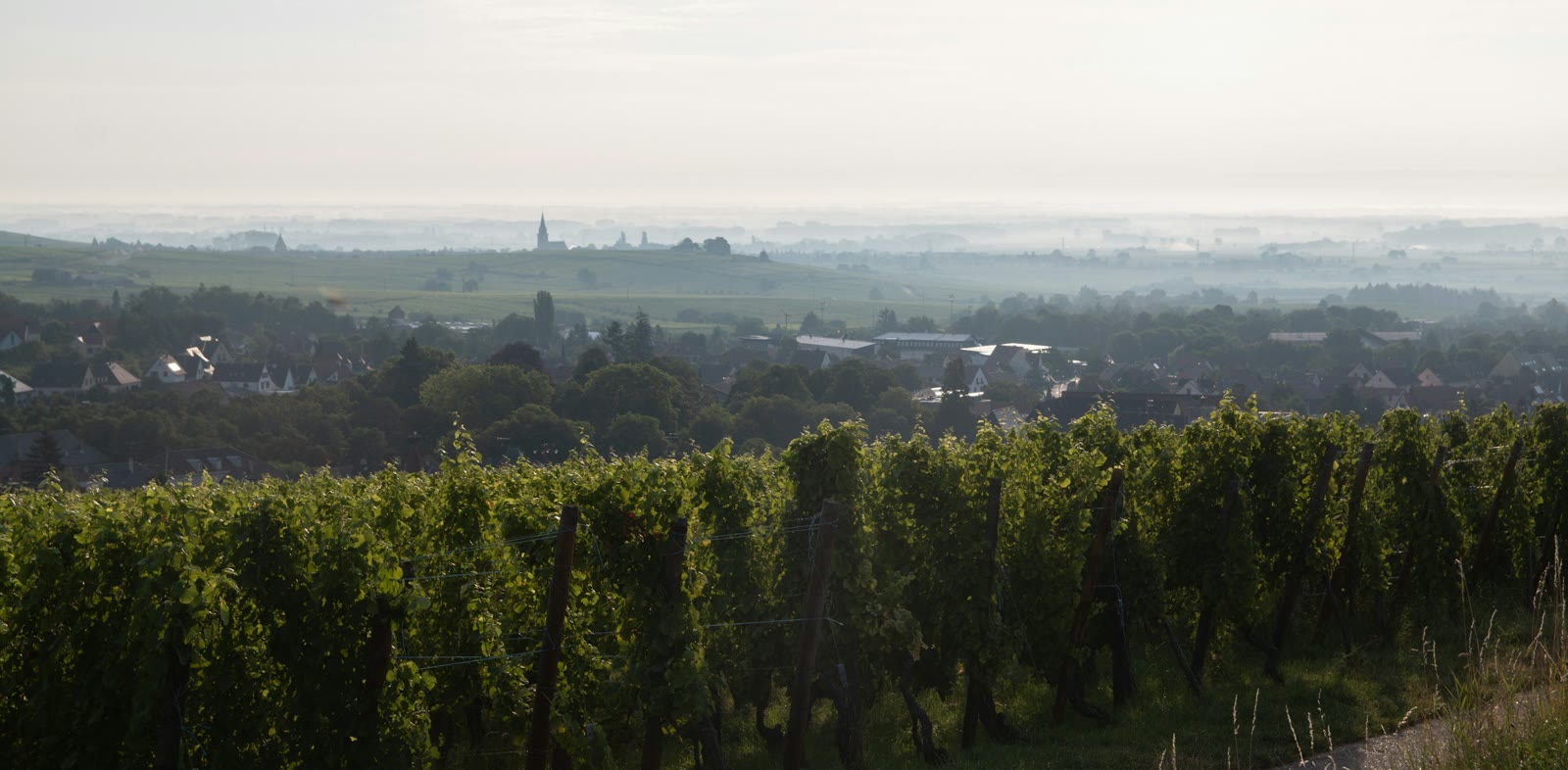
In the heart of Alsace, where vineyards stretch between the Rhine plain and the foothills of the Vosges Mountains, Domaine Viticole de la Ville de Colmar embodies a distinctive meeting of heritage, place and precision.
Founded in Colmar in 1895 by the ampelographer Chrétien Oberlin, the estate has maintained a close relationship with the city and its winemaking history for more than a century. Today, it cultivates over 28 hectares of estate vineyards, including the Clos Saint-Jacques beside its cellars, as well as vineyards associated with the Hospices Civils Louis Pasteur.

Alsace in simple terms
Alsace lies in north-eastern France, between the Vosges Mountains and the Rhine plain. It is especially welcoming to wine beginners because many of its wines place the grape variety at the centre of their identity. When you see Riesling, Muscat or Pinot Gris on an Alsace wine, the name gives you a useful first clue to the aromas and texture you may find in the glass.
The grape is only the beginning, however. The same variety can taste different depending on its soil, exposure, ripeness and the choices made in the cellar. This is why Alsace is both easy to approach and endlessly rewarding to explore.
A mosaic of Alsace terroirs
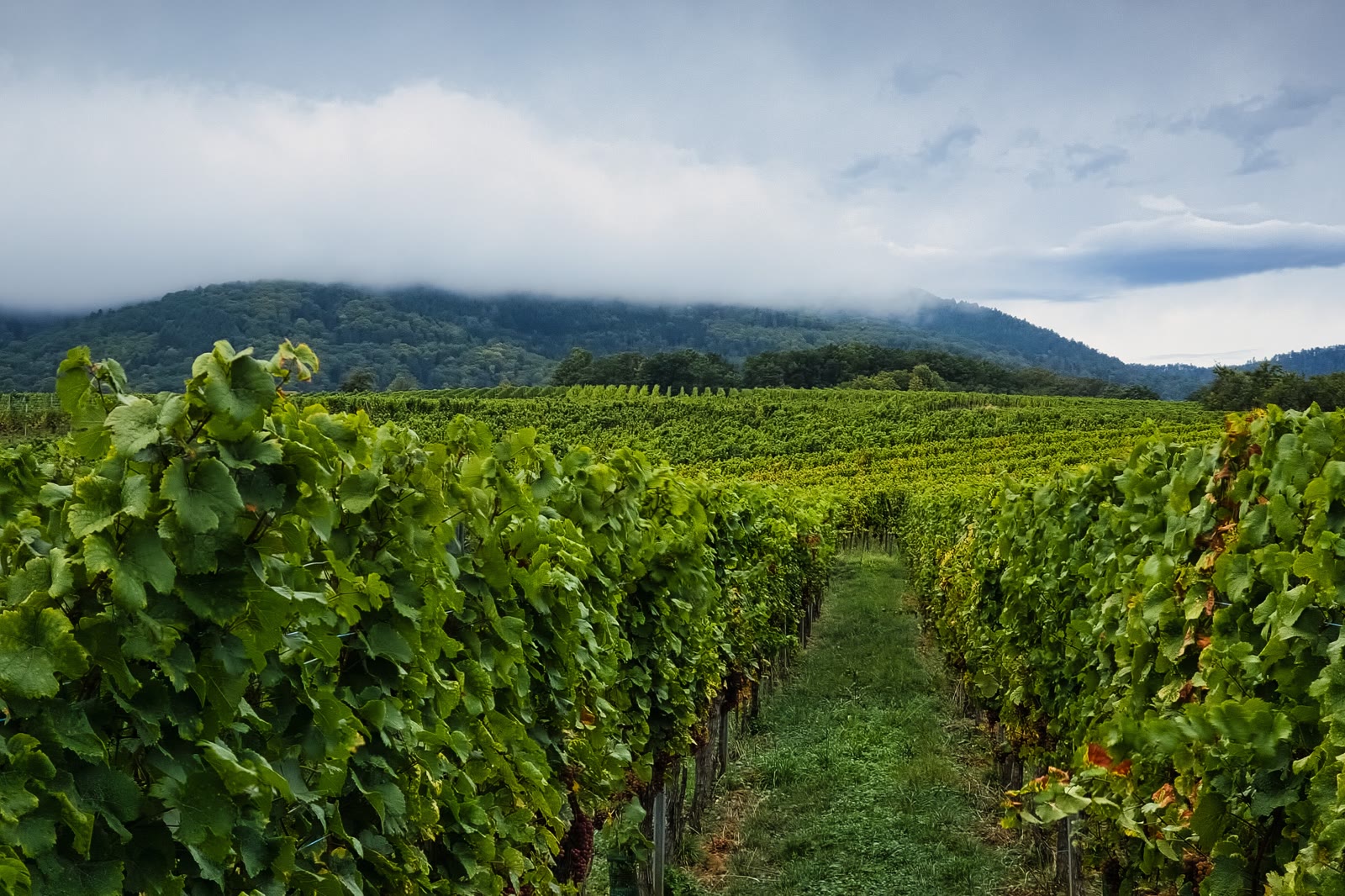
The Vosges Mountains shelter Colmar’s vineyards from much of the rainfall coming from the west. Combined with varied soils and vineyard exposures, this protected setting creates favourable conditions for grapes to ripen while retaining the freshness and aromatic definition for which Alsace wines are known.
Rather than expressing a single style, the estate’s wines reveal the diversity of this landscape. Each grape variety offers its own interpretation: the delicate fruit of Pinot Blanc, the citrus-driven energy of Riesling, the floral intensity of Muscat, the generous texture of Pinot Gris and the exotic aromatics of Gewurztraminer.
A beginner’s guide to the grapes
- Pinot Blanc: light, gentle and fresh, often showing apple, white flowers and soft fruit. A comfortable starting point for anyone new to Alsace.
- Riesling: lively and precise, with lemon, grapefruit and mineral freshness. Think of it as the crisp, structured voice of the region.
- Muscat: intensely fragrant, with fresh-grape and floral aromas. The surprise for many beginners is that Alsace Muscat can smell sweet while tasting dry.
- Pinot Gris: broader and richer, with pear, apricot, honey and sometimes a light smoky note. It suits dishes with more texture and depth.
- Gewurztraminer: the most exuberantly aromatic, often recalling rose, lychee and exotic fruit. The expression in the VAVIN selection is gently off-dry and particularly suited to aromatic or spicy food.
- Pinot Noir: Alsace’s principal red grape. Here, oak ageing adds subtle vanilla and roundness to its redcurrant and strawberry character.
- Crémant d’Alsace: not a grape but a sparkling-wine style. The domaine’s Riesling-based cuvée combines fine bubbles with citrus freshness and a delicate hazelnut note.
The domaine also produces an elegant Pinot Noir aged in oak, bringing together red-fruit character, subtle vanilla notes and rounded tannins. Its Crémant d’Alsace completes the range with fine bubbles, lively citrus flavours and a fresh, persistent finish.
Heritage guided by precision
The identity of Domaine Viticole de la Ville de Colmar is rooted in history, but its approach to winemaking is decidedly precise. From the arrival of the harvest to bottling, careful monitoring and temperature control help preserve the natural character of the fruit.
The result is a collection of wines that combines aromatic clarity with an approachable style. They can be enjoyed on their own, but they also reveal their versatility at the table—from seafood, poultry and fresh cheeses to Alsatian specialities, spicy dishes and more generous meat-based cuisine.
Why the winemaking feels different
Three winemaking paths make this selection particularly easy to understand. For the aromatic whites, temperature control and protection from oxygen help retain the grapes’ fresh fruit and floral character. In simple terms, the cellar acts like a careful frame: it keeps the aromas clear rather than allowing heat or oxidation to blur them.
The oak-aged Pinot Noir follows a different path. Contact with the barrel gradually softens the wine’s texture and adds restrained notes of vanilla and spice without hiding its red fruit. Crémant d’Alsace is different again: its bubbles are created by a second fermentation in the bottle, the traditional method used for the appellation. These are not competing techniques; each one is chosen to reveal a different side of Alsace.
Alsace at the table
Discovering the domaine is also an invitation to explore the remarkable diversity of Alsace. A fresh Pinot Blanc can accompany charcuterie or a traditional tarte flambée. Riesling brings brightness to fish and seafood, while Muscat offers a fragrant aperitif. Pinot Gris finds its place alongside richer dishes, and Gewurztraminer’s expressive character makes it a natural partner for aromatic or spicy cuisine.
For red-wine lovers, the oak-aged Pinot Noir offers a supple and elegant expression of the region. The Crémant d’Alsace, meanwhile, brings freshness and celebration to the beginning—or the entirety—of a meal.
Three easy tasting situations
- Your first discovery of Alsace: taste Pinot Blanc beside Riesling. One is gentle and rounded; the other is more linear and citrus-driven. The contrast makes both wines easier to understand.
- An aperitif with friends: choose Muscat for its vivid fragrance or Crémant d’Alsace for its fine bubbles. Serve them with light starters, seafood or fresh cheese.
- A relaxed dinner: pair Pinot Gris or Gewurztraminer with a richer or gently spiced dish, then serve the oak-aged Pinot Noir with meat or mature cheese.
Discover the Domaine at VAVIN
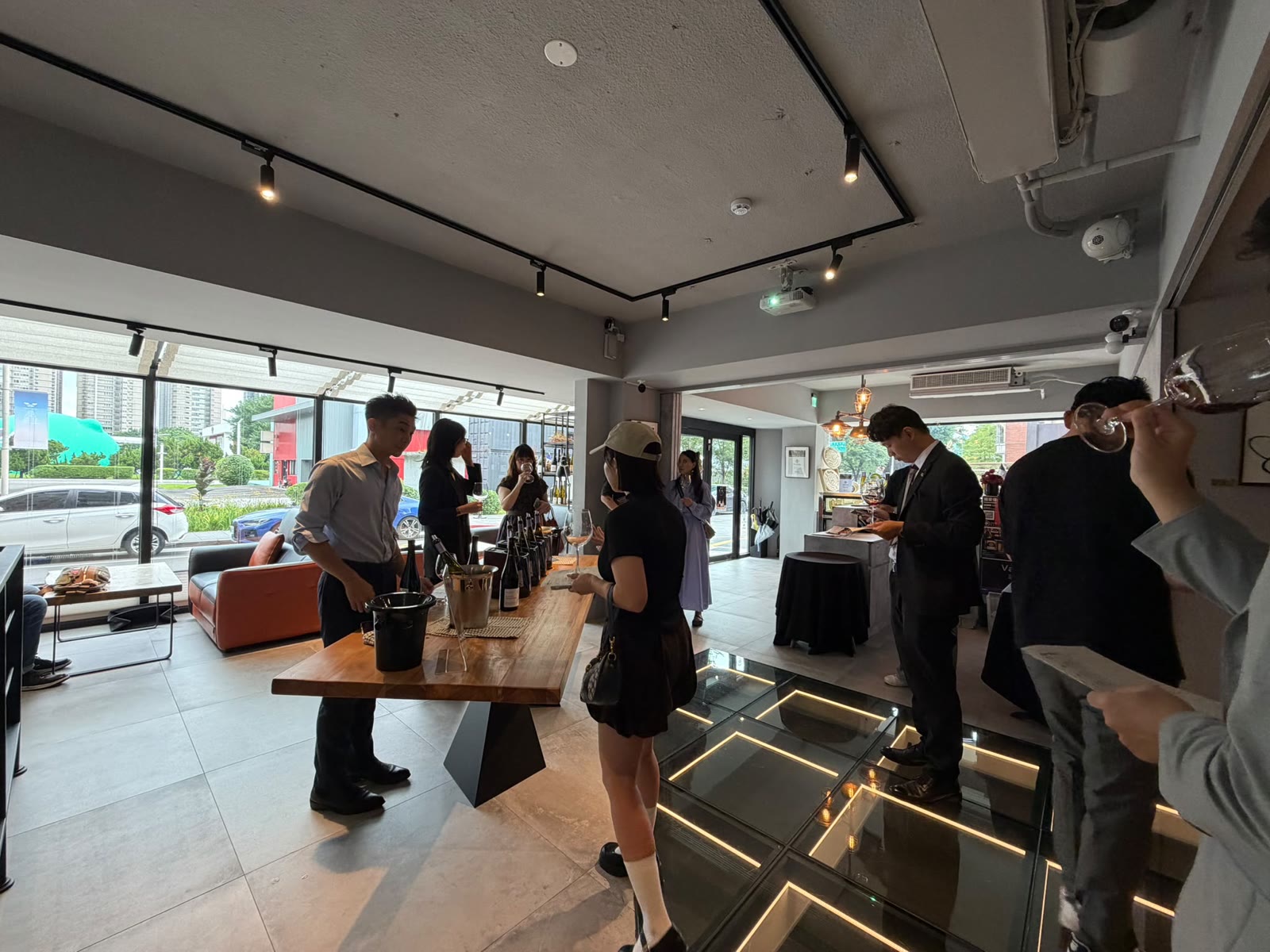
Through its selection from Domaine Viticole de la Ville de Colmar, VAVIN invites wine lovers in Taiwan to experience the many faces of Alsace: fine bubbles, vibrant dry whites, generous aromatic varieties and elegant Pinot Noir.
Each bottle offers a different perspective on Colmar’s vineyards, yet all share the same sense of place—wines shaped by history, protected by the Vosges and made to bring the character of Alsace to the glass.
 English
  繁體中文
繁體中文  日本語
日本語  한국어
한국어  Français
  Português
  Español
  Italiano
  ไทย
ไทย  Tiếng Việt