
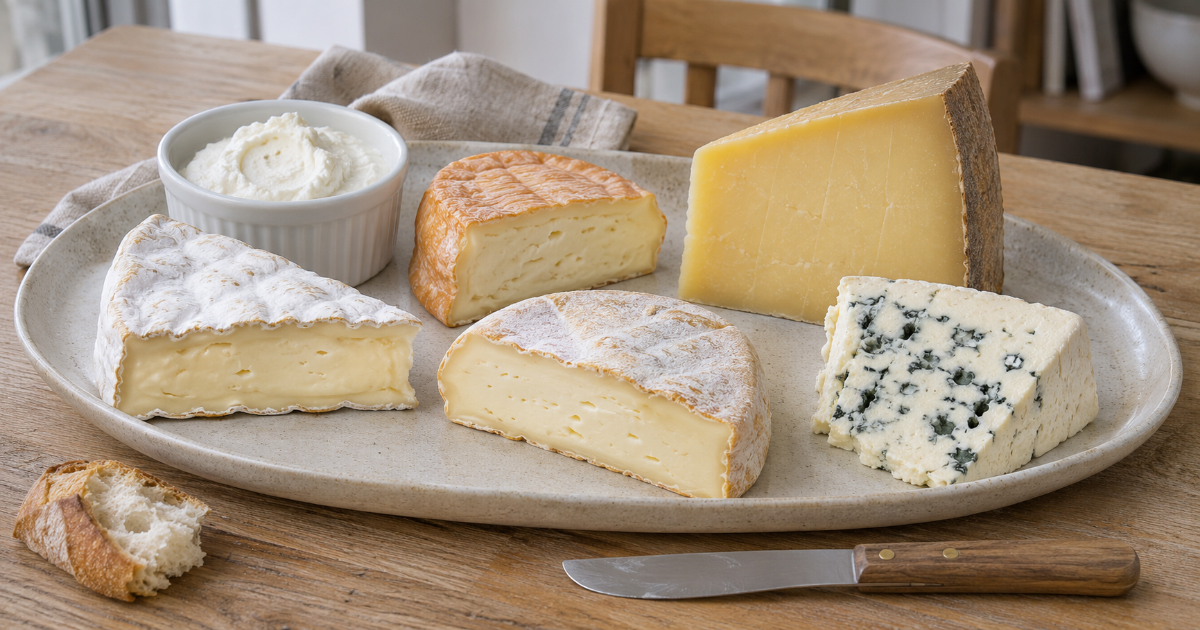
One is creamy beneath a white rind, another can be cut into thin slices, and a third is threaded with blue veins… To understand these differences, let’s look at how cheeses are made and matured.
Cheese families at a glance
One clue. Two examples. Time to taste.
| The family | The simple clue | Two examples |
|---|---|---|
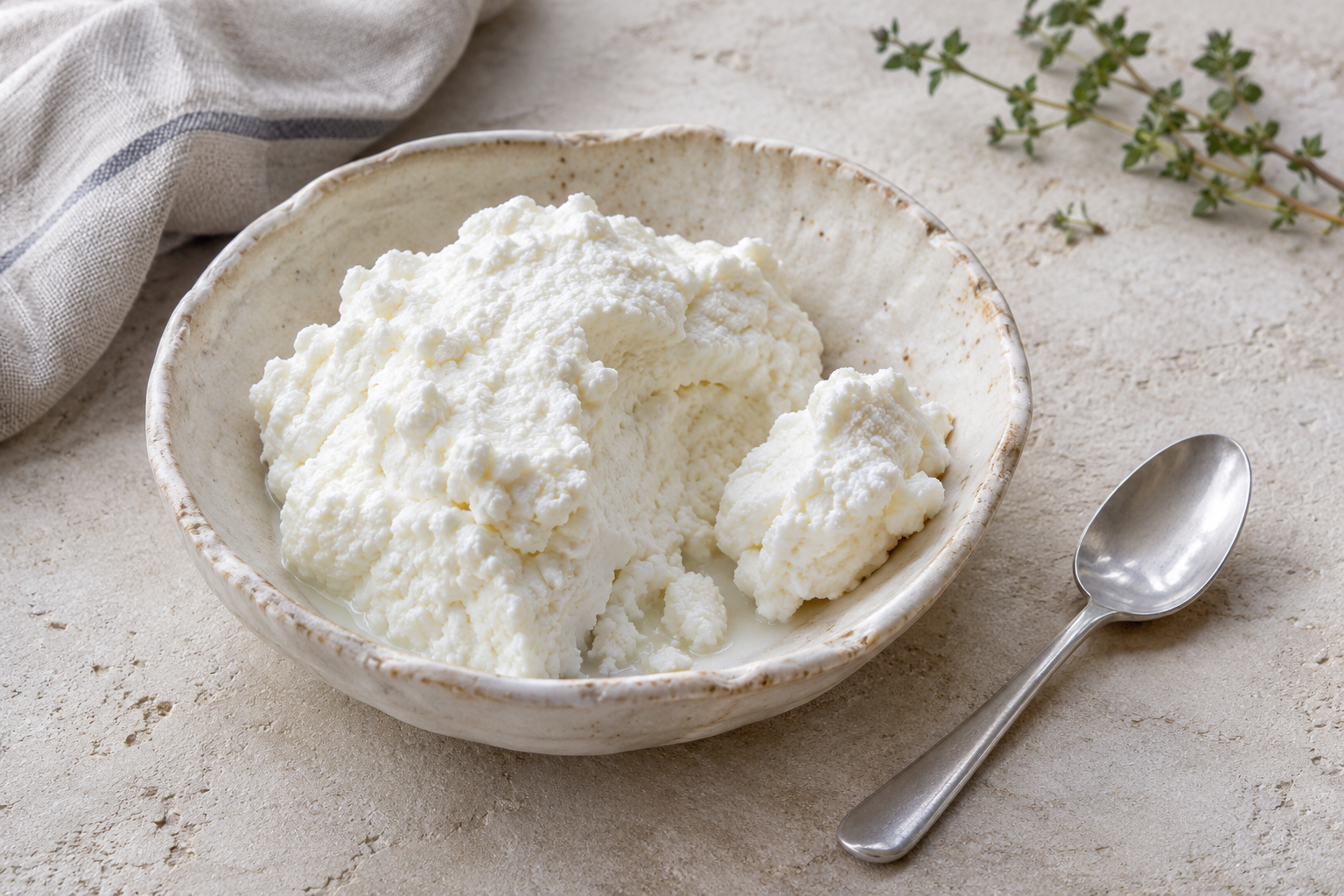
Fresh cheesesNo ageing
|
The simple clueThey retain a moist texture and an often mild, slightly tangy flavour. | Two examples :Fromage blancFaisselle |
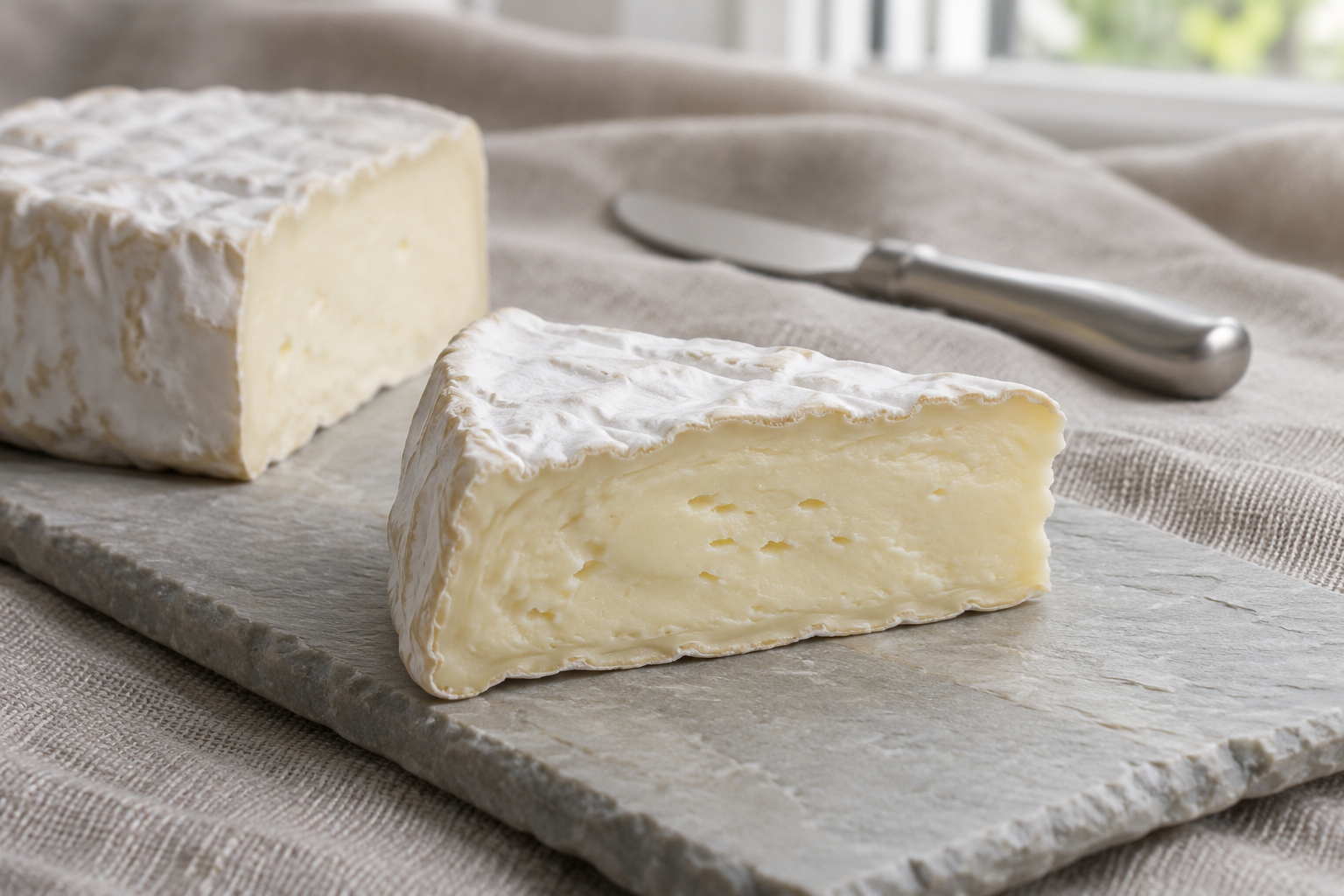
Bloomy-rind cheesesA white coat
|
The simple clueA white rind forms during ageing. Beneath it, the paste becomes soft and sometimes runny. | Two examples :BrieCamembert |
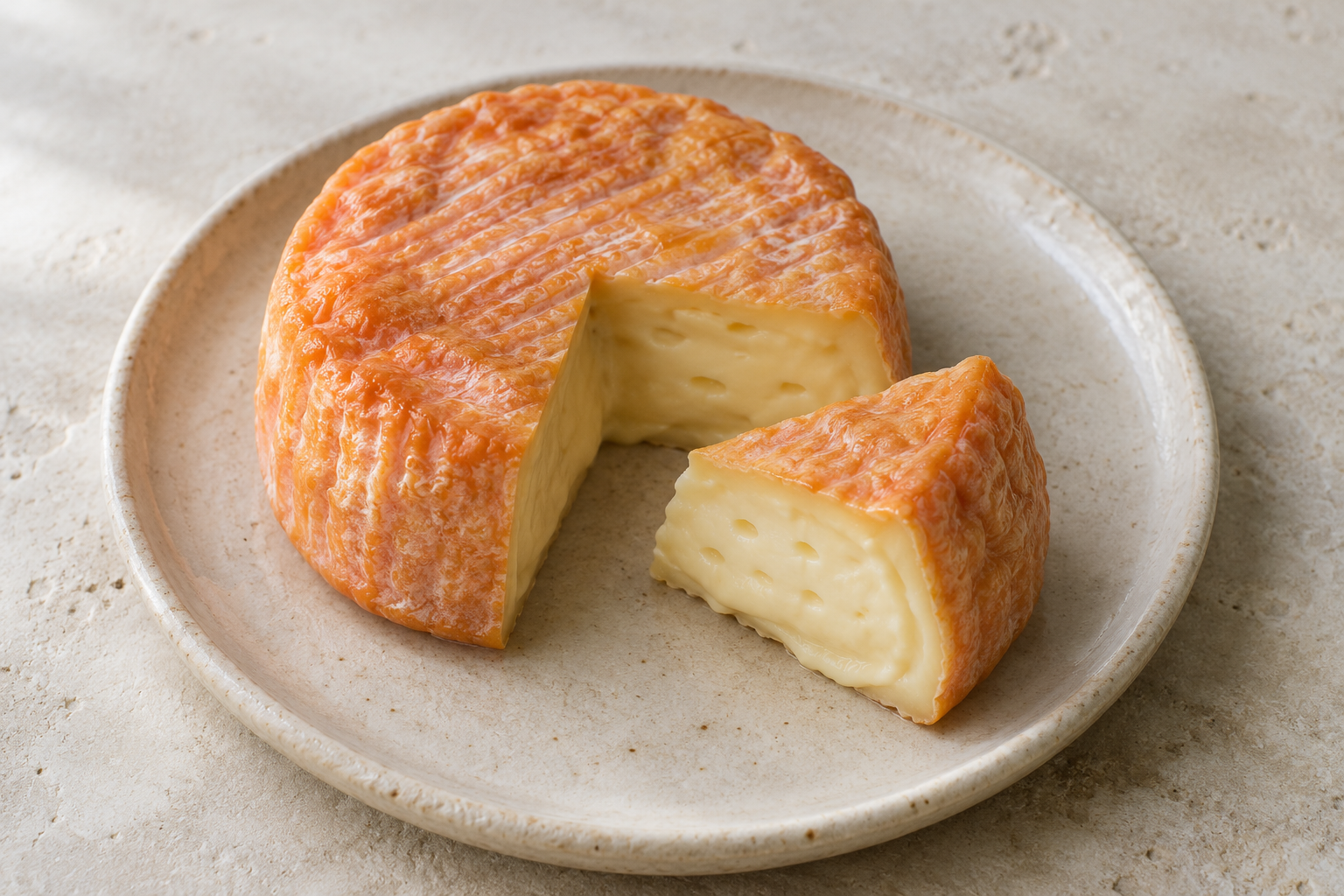
Washed-rind cheesesA washed rind
|
The simple clueThe rind is washed during ageing. Often orange and aromatic, it does not tell you everything about the strength of the flavour. | Two examples :MaroillesMunster |
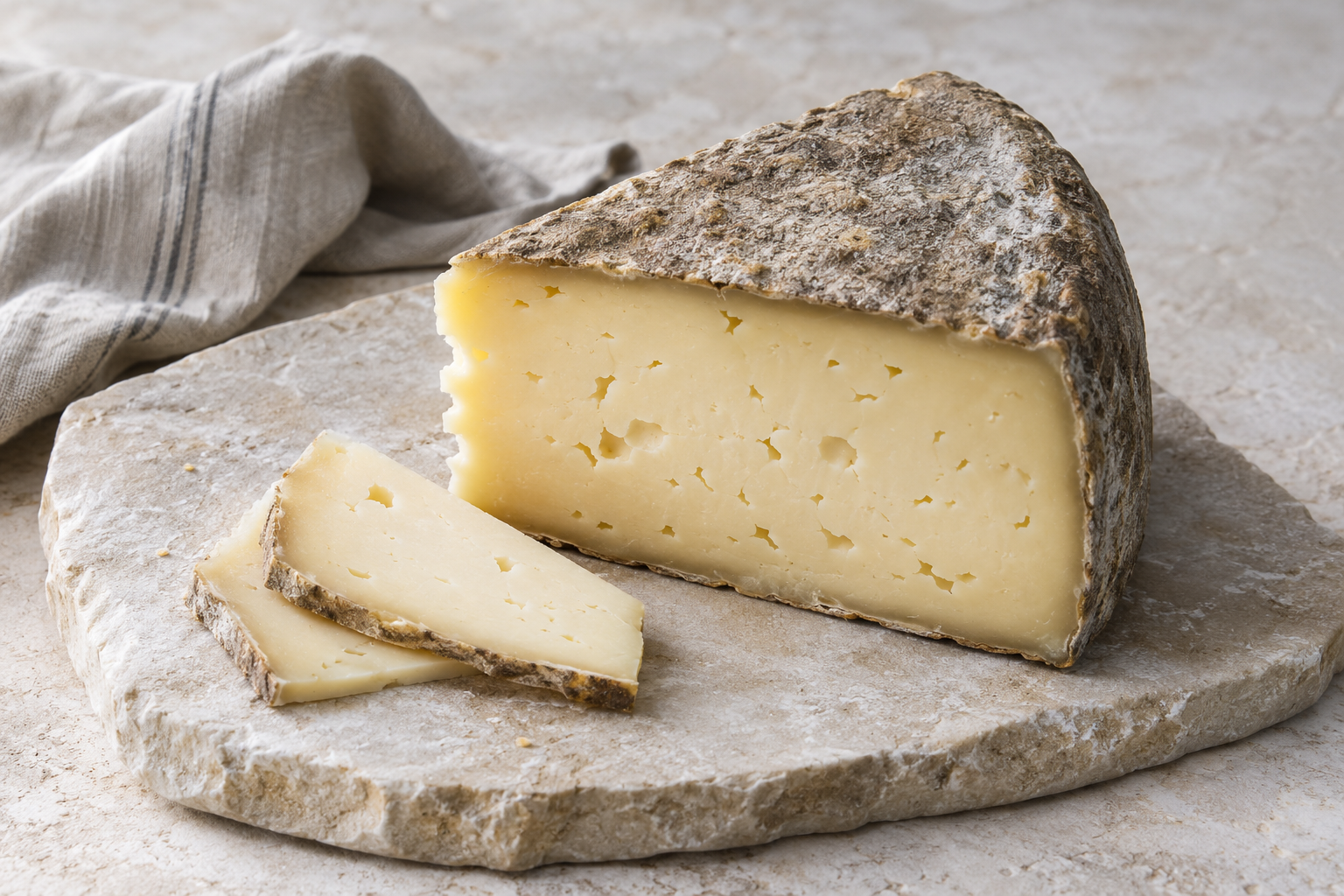
Uncooked pressed cheesesThe curd is pressed
|
The simple cluePressing removes some of the whey. The paste may stay supple or become firmer with ageing. | Two examples :ReblochonCantal |
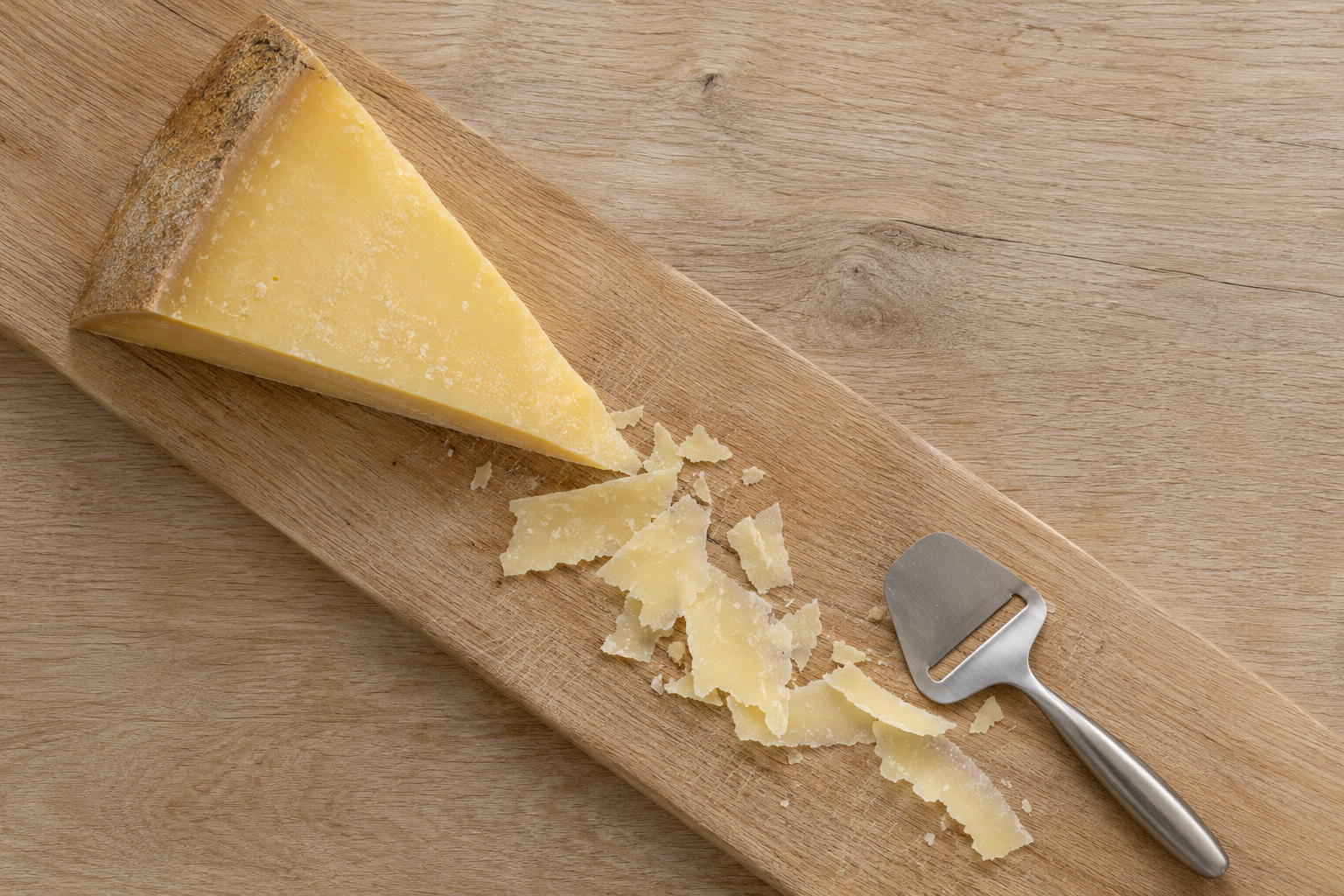
Cooked pressed cheesesHeated, then pressed
|
The simple clueThe curd is heated further before pressing, which helps remove the whey. | Two examples :ComtéEmmental |
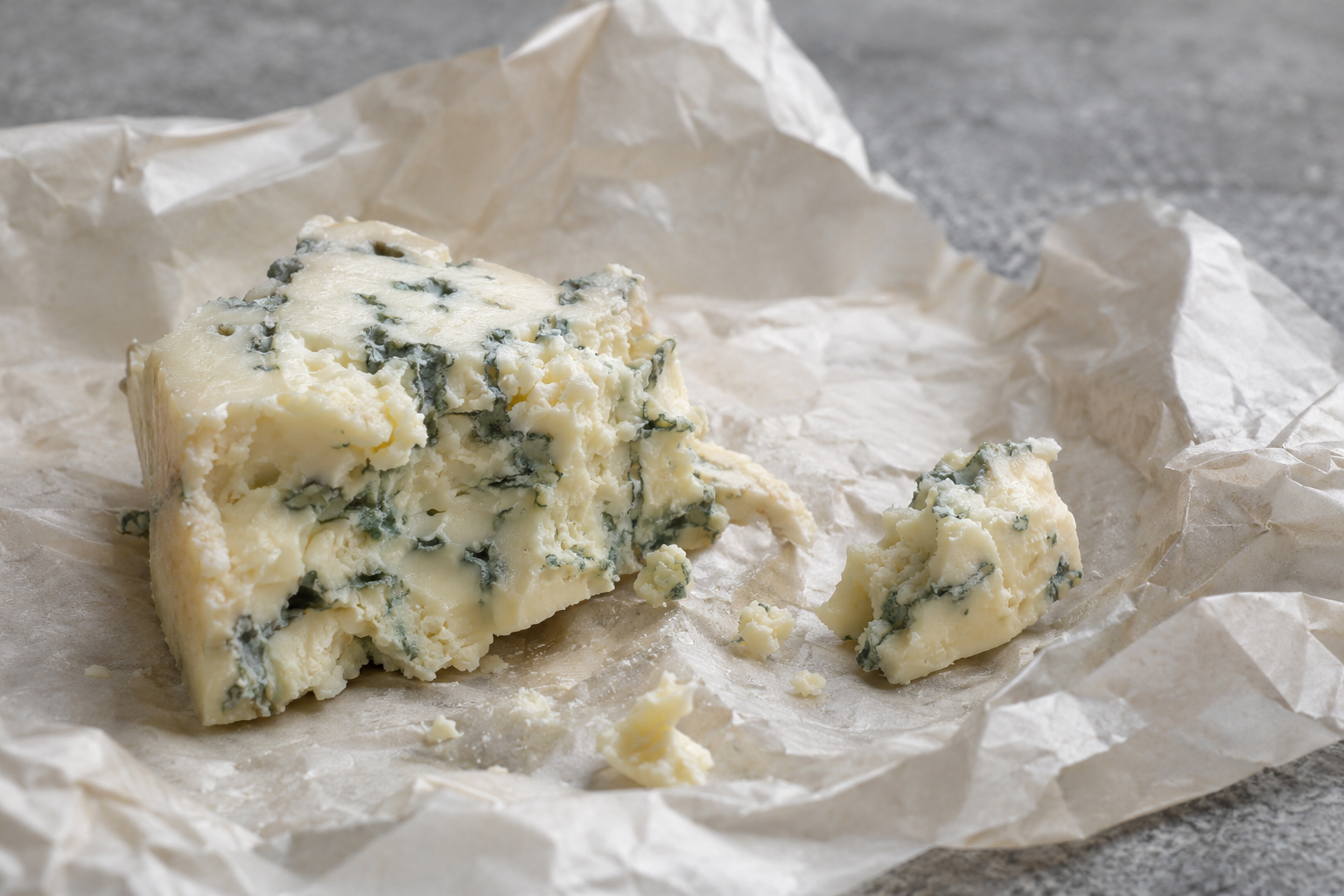
Blue cheesesBlue veins
|
The simple clueFungi develop inside the paste. The cheeses are pierced to let air in. | Two examples :RoquefortFourme d’Ambert |
At VAVIN 酒盒子, discovering cheese starts with these simple pointers: look at the rind, look at the paste, then taste. The family gives you a first clue; every cheese keeps its own personality.
 English
 繁體中文
 日本語
 한국어
 Français
 Português
 Español
 Italiano
 ไทย
 Tiếng Việt
